
Eating well in college doesn’t have to break the bank! Discover budget-friendly pantry staples, smart shopping habits, and easy meal ideas that’ll keep you fed and fueled all semester long — without sacrificing taste.

Let’s be real — between tuition, textbooks, and rent, food is often the last thing on a college student’s budget. But eating well doesn’t have to mean spending a lot. With a little planning and some kitchen know-how, you can fuel your brain and body without draining your bank account. Here’s everything you need to know.
Start with the Right Ingredients
The secret to eating cheap is building your pantry around ingredients that are inexpensive, versatile, and last a long time. Think of these as your MVPs:
Grains & Starches: Rice, pasta, oats, lentils, and dried beans are the backbone of budget cooking. A bag of dried lentils or rice costs almost nothing and can last for weeks. These are the kinds of foods that quietly save you hundreds of dollars a semester.
Proteins: Eggs are one of the best-value foods you can buy — cheap, quick to cook, and packed with nutrition. Canned tuna, sardines, and chicken thighs (which are cheaper than chicken breasts) are also great picks. Don’t overlook beans and lentils as protein sources, too — they pull double duty. Greek yogurt is also a great source of protein.
Vegetables: Frozen veggies are your best friend. They’re just as nutritious as fresh, often cheaper, and won’t go bad before you get around to using them. For fresh produce, stick to long-lasting staples like onions, garlic, carrots, celery, cabbage, and potatoes. Buy fresh when you know you can eat it before it goes bad and it is on sale.
Pantry Staples: A small upfront investment in olive oil, canned tomatoes, soy sauce, stock cubes, and basic spices and seasonings will dramatically expand what you’re able to cook — and make everything taste a lot better. Changing the spices can change the flavor of grains and starches.
Smart Habits That Make Your Money Go Further
Buying the right ingredients is only half the battle. Here’s how to actually stretch them:
Batch cook and portion. Make a big pot of soup, chili, curry, or pasta sauce on Sunday and divide it into portions for the week. You’ll save time, cut down on energy costs, and be way less tempted to order delivery at midnight.
Use glass meal-prep containers for your prepared food (affiliate link). You can pull them out, warm up your meal in them if needed, and eat right from them! You can even pack these with you to campus if needed.
Use your freezer. If you cook more than you can eat in two days, freeze a portion right away. Soups, stews, and curries freeze beautifully. Think of your freezer as a personal cheap meal stockpile. Use freezer-safe storage containers (NOT your glass meal-prep containers).
Shop with a plan. Before you go to the store, decide what you’re making that week. Make a meal plan and then a grocery list. This prevents random purchases that sit in the fridge until they go bad — which is basically throwing money away. It is also wise to check what is on sale before you plan your meals for the week.
Try “component” cooking. Cook a batch of rice, roast a tray of vegetables, and prep some protein separately. Mix and match them into different meals throughout the week so things don’t get boring. The same roasted chicken thighs can become tacos one night and fried rice the next.
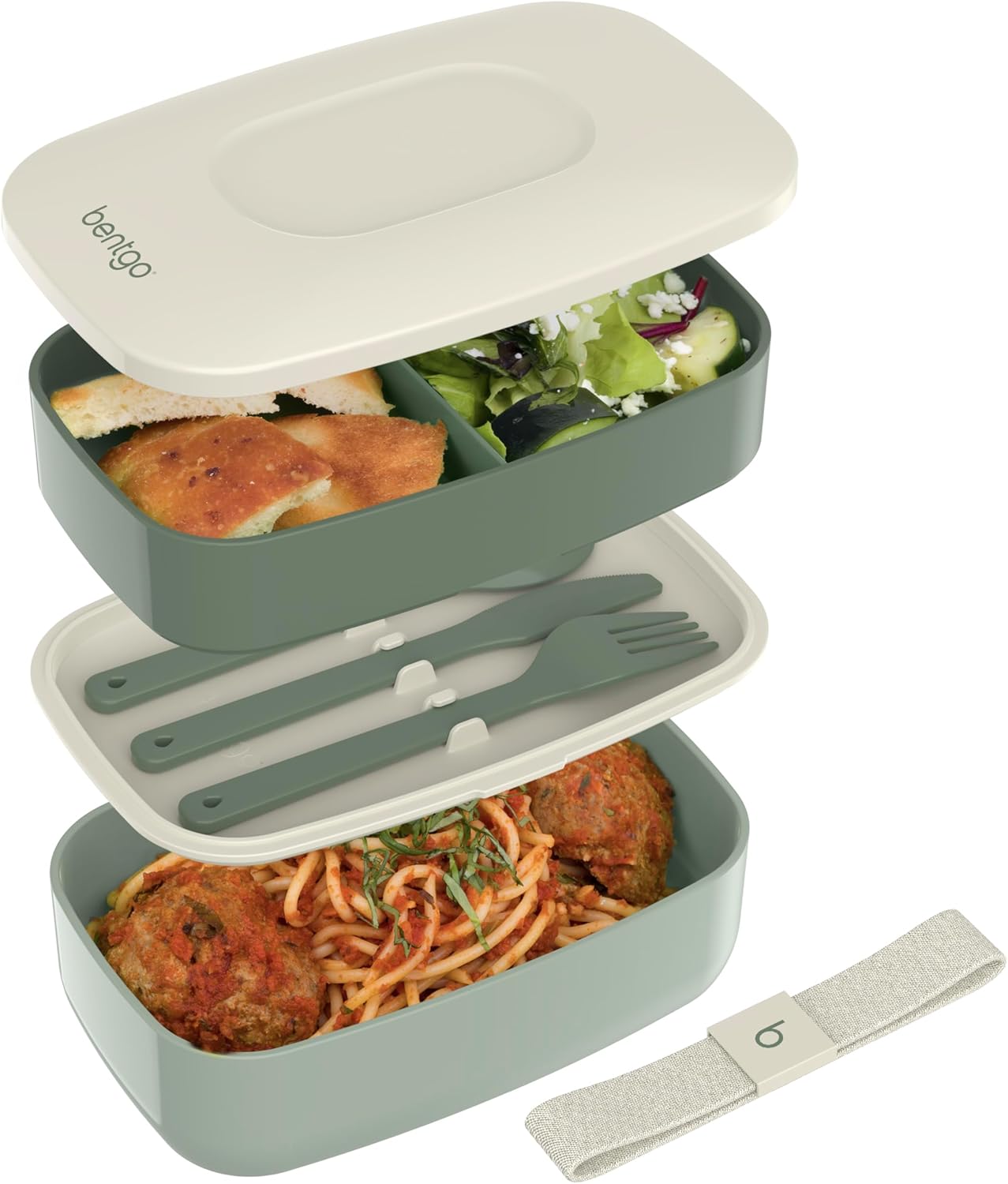
You can get a good lunch box that you can put your food in to take to campus with you. We really like the Bentgo brand. My two college kids (and husband) use this one.

My high schooler and middle schooler use a version like this one (this has an ice pack with it). We have tried less expensive brands, but they end up leaking as they get used over time. These ones stay leak-proof (which is a must when it is in a backpack).
Buy whole, not pre-prepped. A whole chicken costs far less than boneless breasts. A block of cheese is cheaper than a bag of shredded cheese. A head of cabbage beats a bag of coleslaw mix. The extra few minutes of prep add up to real savings.
Cut back on meat — don’t cut it out. Instead of making meat the main event, use it as a flavor boost alongside beans, lentils, or grains. A small amount of chorizo, bacon, or ground beef can season an entire pot of food.
Learn a few “fridge clear” recipes. Fried rice, frittatas, stir-fries, soups, and grain bowls are perfect for using up whatever random ingredients you have left. Getting comfortable improvising with leftovers is one of the single biggest money-saving skills you can develop.
Grab markdowns. Many grocery stores discount meat and produce near the end of the day. Buy marked-down proteins and freeze them right away — it’s a surprisingly effective habit. You can also view the ad of the grocery store where you are going to shop, see what is on sale, and base your weekly meal plan off of that. Shop the sales. If you don’t know what to make, do a Google search of “recipes that use ground beef” for ideas.
Easy Meal Ideas Using Overlapping Ingredients
One of the best things you can do is learn a handful of meals that share ingredients, so nothing goes to waste. Here are some go-to options organized by base ingredient:
Rice-Based
- Fried rice — rice, eggs, frozen veggies, soy sauce
- Burrito bowls — rice, beans, cheese, salsa
- Chicken and rice — chicken thighs, rice, frozen veggies, garlic
- Flavored rice — just because it is “rice” does not mean it needs to be boring. The flavor of rice is easily changed with some seasonings. Some of my favorite rice recipes come from one of my favorite sources for recipes: Our Best Bites. Two of my favorites are Lime-Cilantro Rice and Indian Tumeric Rice.
Pasta-Based
- Spaghetti with marinara — pasta, canned tomatoes, garlic, onion (or buy pre-made sauce)
- Pasta with garlic and olive oil — pasta, garlic, olive oil, optional veggies
- Alfredo sauce with chicken — pasta, chicken
- Noodles, veggies, chicken— pasta, chicken, veggies. Add favorite sauce, butter, or Italian dressing
- Mac and cheese with add-ins — pasta, cheese, frozen broccoli
- Chicken noodle soup — pasta, veggies, chicken
Egg-Based
- Breakfast burritos — eggs, tortillas, beans, cheese
- Fried egg sandwiches — bread, eggs, cheese
- Egg Salad sandwiches — bread, eggs
- Veggie scramble — eggs, frozen veggies, potatoes
- French toast — bread, eggs
- Omelet — veggies, eggs, Greek Yogurt
Bean-Based
- Black bean tacos — tortillas, beans, cheese, salsa
- Chickpea curry — chickpeas, canned tomatoes, onion, garlic, rice
- Bean and cheese quesadillas — tortillas, beans, cheese
Potato-Based
- Baked potatoes with toppings — potatoes, cheese, beans or broccoli
- Hash browns and eggs — potatoes, eggs, onion
- Mashed potatoes and gravy with chicken — potatoes, chicken thighs
- Potato bowl — potatoes, cottage cheese, chicken
Greek Yogurt-Based
Greek yogurt is a great source of protein. It is a great substitute for sour cream, mayo, or heavy cream, so it is a versatile ingredient to keep on hand
- Greek yogurt bowls
- In overnight oats
- In smoothies
- In baked goods
- In pancakes
- In sauces
- In chicken or tuna salad
- On tacos
- In dips
Quick Breakfasts
- Oatmeal with peanut butter and banana
- Peanut butter toast with banana
- Scrambled eggs with toast
- Overnight oats
- French toast
The Magic of a Rotisserie Chicken
Here’s a sleeper tip: a store-bought rotisserie chicken is one of the best values in the grocery store. You can slice it for sandwiches, toss it on a green salad, or use it as the base for a casserole or soup. You can also add it to your Fettuccine Alfredo, create chicken salad sandwiches, or use it in a protein bowl. For even more ideas, check out Cooking with Karli’s rotisserie chicken recipes.
Conclusion
If you’re just getting started in the kitchen, focus on a few recipes to master and build from there. These are very easy to find online! Google “Recipes that use ______” and insert the ingredient you want to focus on. You can also ask your parents and other adults you know for their favorite inexpensive meal ideas!
College is expensive enough. Your meals don’t have to be.
Related Posts
- Quick and Easy Dinner Ideas for Hectic Nights
- Feed Me Friday: The Most Amazing Baked Potatoes
- What Your College Kids Need for Moving Out
- How to Prepare Your Kids for Roommates