Sending your child off to kindergarten for the first time is exciting, emotional, and sometimes a little overwhelming. From easing first-day jitters to creating smooth school routines, here’s everything parents need to know to help kindergarten start off strong.
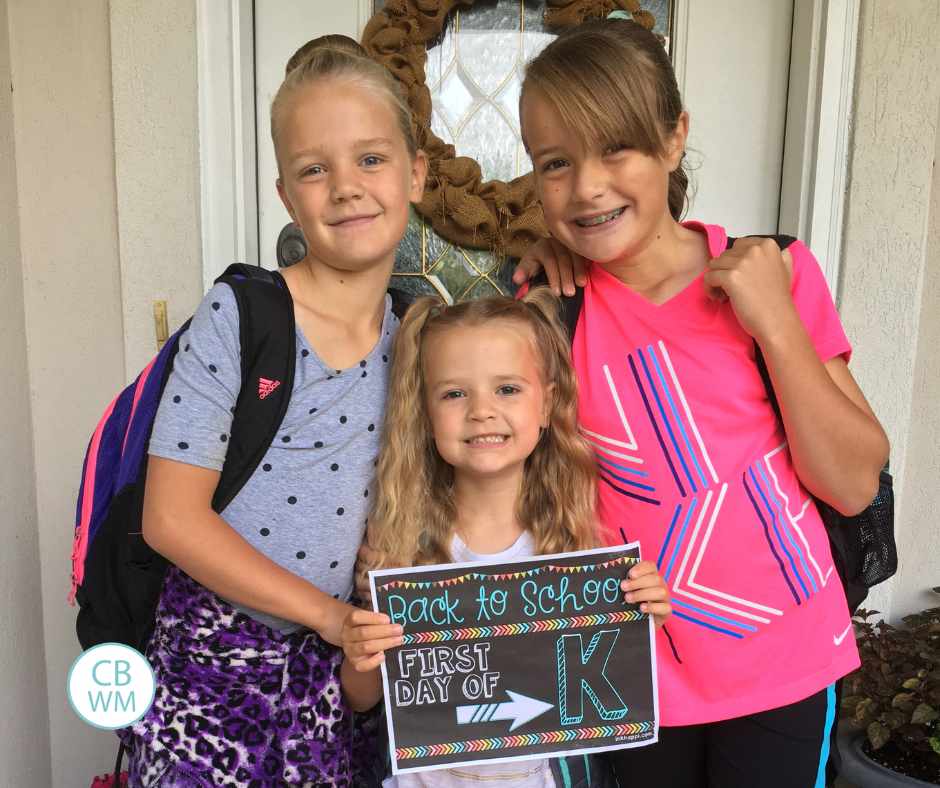
Your baby is starting kindergarten. How did that happen?
One minute you’re bringing home a tiny newborn, sleep-training through those bleary-eyed early weeks, finally nailing a schedule that works — and now you’re shopping for backpacks and labeling everything with a Sharpie. It’s a lot.
The first day of kindergarten is genuinely one of the bigger milestones of early parenthood. And whether your child has been counting down the days or telling you they’re never, ever going to school ever, there’s a lot you can do in the weeks and days leading up to it to make the transition as smooth as possible.
Here’s everything you need to know.
Why the First Day Feels So Big (For Both of You)
Let’s acknowledge something upfront: this milestone is emotional for parents, not just kids. You’ve been your child’s primary world for five years. You’ve watched them learn to walk, talk, negotiate, and develop opinions about which cup is the right cup. Handing them off to a classroom of 20 kids and a teacher you’ve met once? It’s a lot to process.
Your child picks up on your emotions more than you might realize, so part of preparing them is preparing you. Give yourself permission to feel the feelings — just try not to lead with them on the actual morning.
Let me also say, it is okay if you are not feeling emotional. I didn’t usually get sad on the first day of school for my kids. So don’t feel guilty if you are not an emotional wreck about school starting.
Start the Transition Before the First Day
One of the best things you can do is treat the weeks leading up to kindergarten as an intentional transition period, not just a countdown.
Adjust your schedule gradually. If your child has been on a relaxed summer schedule, start shifting wake times and mealtimes about two to three weeks before school starts. Kindergarteners typically need to be up earlier than a preschooler’s natural rhythm allows, and a sudden early wake-up on the first day is a recipe for a rough morning. Ease into it.
>>>Read: How to Transition from Summer to School Schedules Smoothly
Talk about school matter-of-factly. You don’t have to hype kindergarten to the point where expectations can’t possibly be met (“It’s going to be SO AMAZING!”) or go dark (“I know it’s scary, but you’ll be okay”). Keep it conversational and grounded. “You’re going to meet your teacher and find out where you sit” is more helpful than either extreme.
Visit the school if you can. Many elementary schools hold a meet-the-teacher night or orientation before the first day. Go. Walk the hallways. Find the bathroom. Show your child where the drop-off door is. Familiarity is calming.
Read books about starting school. For kids who are anxious, stories help them process new experiences. There are so many good ones — The Kissing Hand is a classic for a reason.
>>>Read: Great Picture Books for Back to School
What Your Child Actually Needs on the First Day
A solid morning routine
This is the Babywise foundation showing up again: routine reduces anxiety. Kids feel more secure when they know what’s coming, and a predictable morning routine is one of the best gifts you can give your kindergartener.
Build your morning routine backwards from the drop-off time. Account for getting dressed, eating a real breakfast (not a car-ride granola bar), and having a few minutes of calm before you walk out the door. Rushed mornings spike cortisol — in kids and in parents.
Lay out clothes the night before. Pack the backpack the night before. Know where the shoes are. This sounds obvious, but the first few school mornings have a way of revealing every small logistical gap in your plan.
>>>Read: Back to School Morning Routine Ideas for Kids (by Age Group)
A good night’s sleep
Kindergarten-age children (5–6 year olds) need 10–13 hours of sleep per night. This isn’t optional — it directly affects their ability to regulate emotions, focus, and learn.
If your child has drifted toward a later bedtime over the summer, start pulling it back incrementally. Even moving bedtime 15 minutes earlier every few days in the weeks before school starts will make a significant difference by the time the first day arrives.
>>>Read: Sample Sleep Schedules for School-Aged Kids
A confident goodbye
Here’s the hard one.
If your child cries at drop-off, you are not alone. Many kids do — even kids who seemed totally fine about school in the days leading up to it. The classroom door is a concrete reality in a way that an abstract future event just isn’t.
Keep your goodbye short and warm. A long, drawn-out goodbye that keeps circling back actually makes separation harder, not easier. Kids take cues from us. A calm, confident “I love you, I’ll see you at pickup, have a great day!” and then walking away communicates: This is safe. I trust this. You’ve got this.
It’s incredibly hard to walk away when your child is upset. But lingering usually prolongs the distress rather than soothing it. Teachers are experienced with this exact moment — let them take it from here.
If your child has significant anxiety about separation, it’s worth flagging with the teacher beforehand so they can have a plan ready.

You know when it is time to get ready for back to school, but your brain is on vacation because it is still summer vacation and you can’t figure out where to start? This 13-page planner quickly and simply takes you through all you need to do to prepare for back to school. Read more about this in this post.
$4.99 – This is an instant download eBook. To purchase, click the Add To Cart button below. You will then have an instant download. It is that simple. By making a purchase, you are agreeing to my privacy policy.
What Kindergarten Actually Looks Like
Managing expectations — yours and your child’s — goes a long way.
Kindergarten today looks different from what many of us remember. There’s still a lot of play, but it’s more academically structured than preschool, with expectations around sitting, listening, following multi-step directions, and managing transitions independently.
Your child will be navigating:
- A new environment with new rules
- A much longer day than preschool (for most kids)
- Managing their own belongings (backpack, lunchbox, jacket)
- Eating lunch independently in a cafeteria
- Finding their own way to the bathroom
- Making new friends without a parent nearby to facilitate
That’s genuinely a lot. Expect that your child will come home tired — deeply tired — for the first several weeks. Protect their downtime and their sleep during this adjustment period. This is not the time to overschedule afternoons.
What to Expect After School
The after-school unravel is real. Many kids hold it together beautifully all day at school and then fall apart the minute they see you. This is actually healthy — it means they feel safe with you. But it can be jarring if you’re not expecting it.
Give your child transition time when they get home. A snack, some low-key downtime, and space to decompress before you pepper them with questions about their day. (The classic “how was school?” almost always gets a “fine” or a shrug. Try more specific openers later, when they’re fed and relaxed: “What made you laugh today?” or “Did anything feel hard?”)
>>>Read: 18 Healthy Snacks for After School for Your Kids
You should also expect that your child will be really tired. If you do a half day of school and have morning kindergarten, have rest time in the afternoon. Your child might actually nap. If you have full day kindergarten or afternoon kindergarten, you might need an earlier bedtime by 30-60 minutes while your child adjusts to going to school.
Sleep regressions can happen. Starting kindergarten is a big adjustment, and some kids experience sleep disruptions — trouble falling asleep, night waking, or early rising — during the first few weeks. Lean into your routine, keep bedtime consistent, and give it time. It usually settles as the new normal sets in.
A Note for Parents Who Are Emotional (It’s Most of Us)
You are not being dramatic. This is a real transition — for your child and for you. Five years is a long time to be someone’s whole world, and it’s genuinely tender to watch that world expand.
The good news is that kindergarten, for most kids, becomes something they love. New friends, new routines, the pride of growing independence — it’s good stuff. You helped get them there.
Let yourself feel it on the drive home. Then go get a coffee and take a breath.
You’ve done good work, mama.
Quick Summary: First Day of Kindergarten Checklist
- Adjust wake times and bedtimes 2–3 weeks before school starts
- Visit the school ahead of time if possible
- Establish a predictable morning routine
- Pack backpack and lay out clothes the night before
- Keep your goodbye confident and brief
- Protect sleep and downtime during the adjustment period
- Expect the after-school emotional unravel — it’s normal
- Give it a few weeks; the new routine will become the new normal

Related Posts
- Traditions for the First Day of School Your Children Will Love
- Why We Chose To Send Our Daughter to Kindergarten On Time
- Kindertude: How To Combat Bad Attitude in your Kindergartner
- 15 Things Your Child Needs to Know Before Kindergarten
- Getting Preschoolers Ready for Kindergarten
- Is My Little One Ready for Kindergarten?