
What should your 3-year-old be doing by now? From two-way conversations to using a fork solo, here’s the real CDC milestone checklist broken down — plus how sleep and routine help her actually hit them.
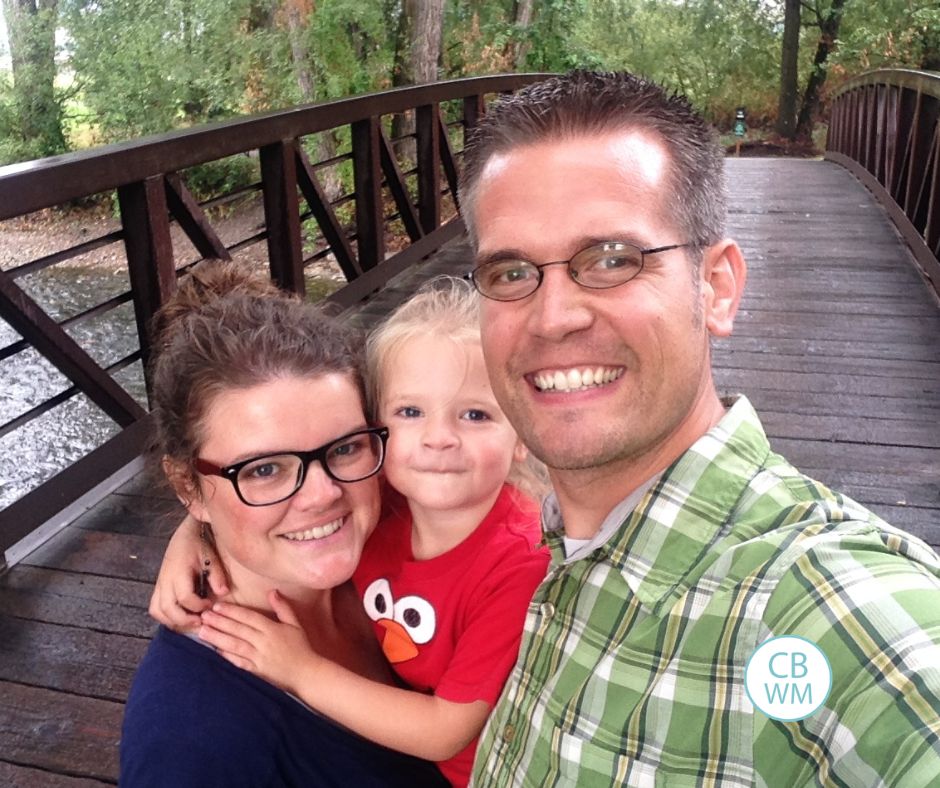
There is something about the third birthday that feels like a real turning point. The toddler years are behind you, and suddenly you have a genuine little person on your hands — one who can hold a conversation, negotiate bedtime like a tiny attorney, and surprise you with how much she understands about the world. If you are standing at this milestone wondering what is “normal” for a 3 year old, you are in the right place.
I have walked four kids through this exact age, and every single time I found myself doing the same thing: comparing notes, googling “is this normal for a 3 year old,” and wondering if the meltdown I just survived was typical or something to worry about. So let’s talk through what milestones actually look like at this age, broken into the categories doctors use, plus how all of this connects back to the schedule and routine side of things that I always come back to.
Table of Contents
- Social and Emotional Milestones
- Language and Communication Milestones
- Cognitive Milestones
- Movement and Physical Development
- What If My Child Isn’t There Yet?
- How Milestones Tie Back to Schedule and Routine
Social and Emotional Milestones
Three year olds are becoming genuinely social little people. This is the age where you start to see real interest in other kids, not just parallel play alongside them. According to the CDC’s developmental milestone checklist, a hallmark of this age is that your child starts noticing other kids and actually joining in their play, instead of just playing side by side.
This is also the age where separation gets easier, at least for most kids. If you have a preschooler who used to fall apart every time you left the room, you will likely notice she settles down faster now, whether that is at a church nursery drop-off or preschool. You will also see more interest in pretend play, more awareness of feelings (both her own and other people’s), and more back-and-forth in how she treats you and her siblings.
If you are working on obedience at this age, this is also a great time to check your expectations against what is developmentally reasonable. I talk through what “good” obedience actually looks like by age in this post.
>>>Read: How Often Can You Really Expect a Child to Obey
Language and Communication Milestones
The language explosion that happens in year three still amazes me every time. By this age, most kids are talking well enough that people outside the family can understand them most of the time. The CDC checklist highlights several specific markers, including having a real back-and-forth conversation with at least two exchanges, asking “who,” “what,” “where,” or “why” questions, being able to describe what is happening in a picture or a book when you ask, and stating her own first name when you ask for it.
If you have a chatty three year old, you already know this is the age of endless questions. “Why” becomes the word of the year in your house. It is exhausting some days, but it is also one of my favorite parts of this age — you get a real window into how her mind works.
Cognitive Milestones
Cognitively, three year olds are starting to reason and problem-solve in ways that feel much more grown-up than the toddler years. Two markers the CDC points to are being able to copy a circle after you show her how, and remembering to avoid a hot object like a stove after you have warned her about it.
That second one matters more than it might seem at first glance. It is a sign your child is starting to connect cause and effect and can hold onto a warning even when you are not standing right there repeating it. You will see this show up in other places too — remembering a rule from yesterday, anticipating what happens next in a story, or following a two-step instruction without you having to break it down.
Movement and Physical Development
Physically, three year olds are gaining fine motor skills fast. According to the CDC, typical physical milestones at this age include stringing items together like large beads or macaroni, putting on simple clothing like loose pants or a jacket without help, and using a fork on her own.
This is exactly the age where I start handing over more independence in daily routines. If your three year old is showing these kinds of fine motor skills, she is also ready to take on more responsibility around the house. I have a whole list of chores that are genuinely age-appropriate for this stage, not just busywork, if you want some ideas.
>>>Read: 9 Chores Your 3 Year Old Can Do
What If My Child Isn’t There Yet?
Here is the thing about milestone lists: they describe what most children (75% or more) can do by a certain age, not what every single child does exactly on schedule. Kids are individuals, and a slightly later talker or a preschooler who still needs help with buttons is not automatically a cause for alarm.
That said, don’t ignore your gut. You know your child better than any checklist does. If you have real concerns, or if your child has lost a skill she used to have, bring it up with your pediatrician. Early intervention, when it is needed, makes a real difference, and there is zero downside to asking the question at a well-check.
How Milestones Tie Back to Schedule and Routine
Here is where I always land with this topic: milestones and schedule go hand in hand. A three year old who is well-rested and on a predictable routine has more bandwidth to practice all of these new skills — the talking, the pretend play, the fine motor work. A three year old running on empty is going to struggle to show you her best self, milestone-wise or otherwise.
This is exactly why I still push for a consistent daily rhythm at this age, even though you are past the baby and toddler stages. Naps are shortening or dropping for some three year olds, but I still recommend keeping that midday rest period going in some form until closer to age four. A predictable eat, play, and rest rhythm gives your preschooler the foundation she needs to hit these milestones and handle the big feelings that come along with this age.
If you want to see what a full day can look like for a three year old, including nap timing, chores, and independent playtime, I have real sample schedules from real families that you can use as a starting point.
>>>Read: Sample 3 Year Old Daily Schedules and Routines
Conclusion
Watching your child hit these milestones is one of the sweetest parts of this stage. Slow down enough to notice them, celebrate them with her, and give yourself grace on the days when the “why” questions and the meltdowns make it hard to see how much she has actually grown. She has grown so much. You have too.
Related Posts
- How to Know When Your Child is Ready to Stop Napping
- Best Toys For Preschoolers age 3 and Up
- Why Your Preschooler’s Job is Play
- 7 Truths About Parenting Preschoolers
- McKenna Summary: 36 Months Old
- Brinley Preschooler Summary: 37 Months Old
- Kaitlyn Preschooler Summary: Age 3