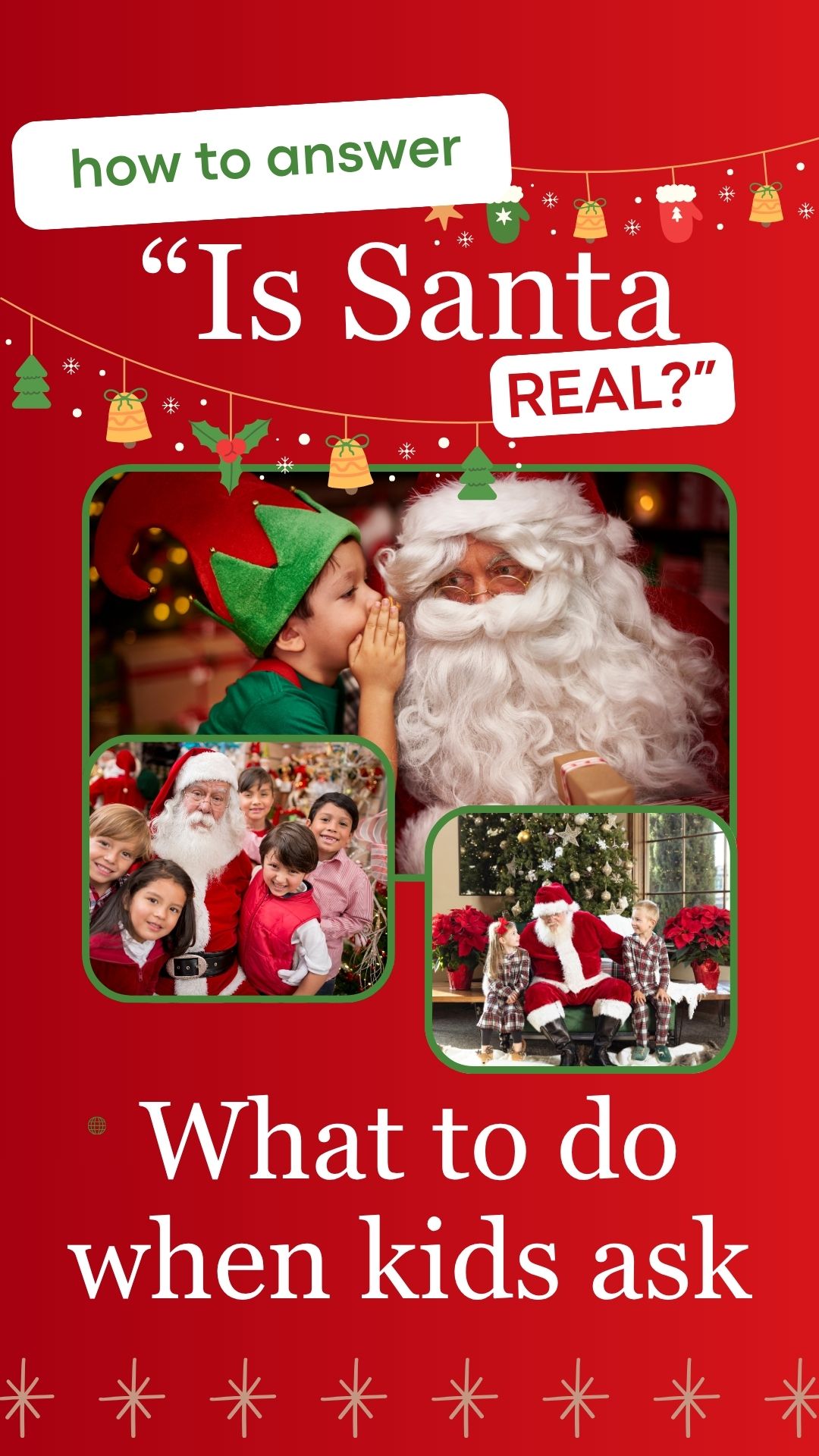
Sooner or later, every parent faces the Santa question. How do you tell the truth without losing the magic—or your child’s trust? Here’s a gentle guide to navigating that moment with honesty, empathy, and Christmas spirit. 🎅✨
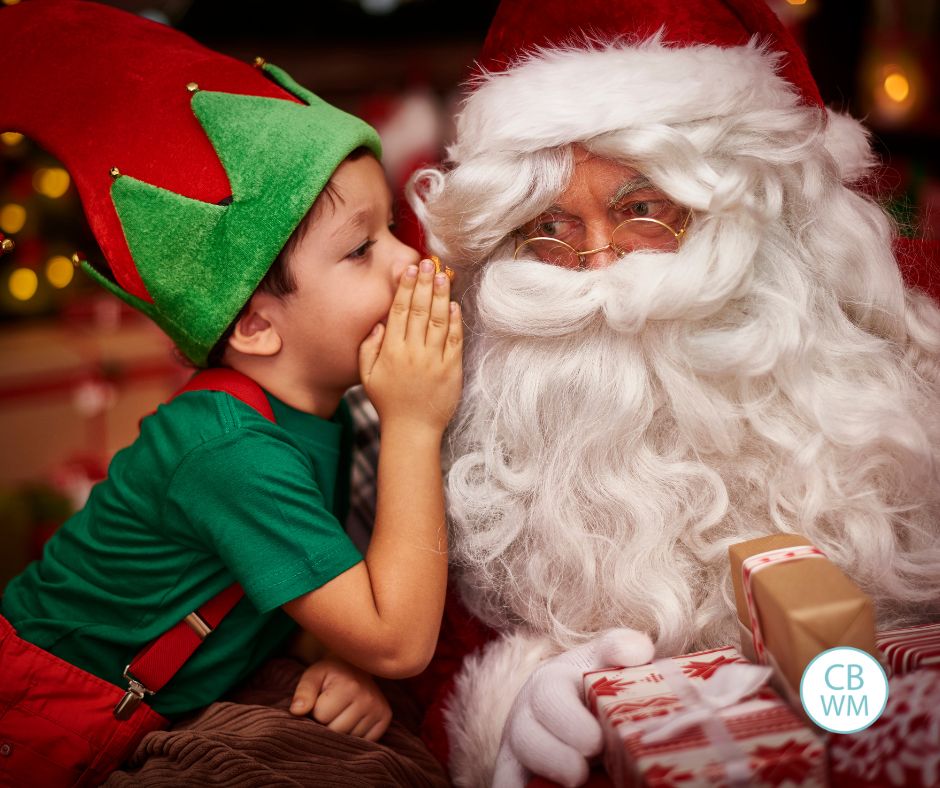
A Gentle Guide for Parents Navigating the Santa Question
It’s a moment every parent faces eventually — your child looks at you, eyes wide and curious, and asks the big question:
“Mom, is Santa real?”
Whether your child is 5 or 10, this question can feel like a crossroads. You want to protect their sense of wonder but also value honesty and trust. How do you answer in a way that keeps both intact?
I am the oldest child. I remember when my younger sister found out Santa wasn’t real. She was devastated that she had been lied to. When I found out, I just thought that was a fun thing adults were doing for kids. Each child will respond differently.
What to Do When Kids Ask if Santa is Real
Here’s how to navigate that delicate moment with wisdom, empathy, and a little Christmas magic.
Pause Before You Answer
When your child asks, take a breath before responding. A simple pause gives you a moment to read the situation — what kind of question is your child asking?
Sometimes kids are:
- Genuinely curious because they’ve heard conflicting stories from friends.
- Testing your reaction to see how you’ll respond.
- Ready for the truth, but still hoping for reassurance that the magic isn’t gone.
Ask Questions
You can ask gently,
“What do you think?”
This helps you gauge how much they already know — and how ready they are for your answer.
That was the first question I always asked my kids. “What do you think?”
Sometimes they replied that they were sure Santa was real. Other times, they presented evidence that Santa was not real. If they were sure Santa was real, we went with that.
If they were doubtful, my next question was,
“Do you really want to know?”
It seems like by the time they have gathered evidence, they basically know. Asking my child if they really wanted to know gave them one last chance to back out before hearing the truth. It allowed one last chance to live in the magic.
Sometimes they said no. Then we just left it at that.
Sometimes they said yes. I then answered them honestly.
Wondering if you should even start a Santa tradition at your house? Read: What Should I Tell My Children About Santa Claus
Be Honest Without Breaking Trust
One of the hardest parts about the Santa question is balancing honesty with wonder. If your child is ready for the truth, share it gently and directly.
You might say:
“Santa started as a real person — Saint Nicholas — who was known for giving to people in need. Over time, his story grew into the tradition we celebrate today. Now, we all get to share that same spirit of giving.”
Honesty builds long-term trust. Your child learns that they can come to you with tough questions and get thoughtful, loving answers.
Reassure Them That the Fun Isn’t Over
Many kids choose to continue to believe in Santa because they don’t want the Santa gifts and fun to end.
Some kids feel sad or even betrayed when they learn Santa isn’t a man in a red suit flying through the sky. Going back to my little sister, my mom wanted to preserve the fun for her as long as possible and assured her Santa was real whenever she asked. That is why she felt upset when she found out. You don’t want to insist Santa is real to a child who clearly has strong suspicions otherwise.
Reassure your child that Christmas will still be full of joy, surprises, and magic — it just looks a little different now.
You can say:
“The fun of Christmas doesn’t go away. We still get to celebrate, make memories, and do kind things for others — that’s what makes it magical.”
Keep the Spirit of Santa Alive
Even when kids outgrow the literal story of Santa, they don’t have to lose the meaning behind him. You can explain that Santa represents the spirit of giving, joy, and kindness that makes Christmas so special.
You might say:
“Santa is real in the way love and kindness are real. Grown-ups help keep that spirit alive by giving, helping, and surprising others — just like Santa does.”
This helps kids transition from believing in Santa to becoming part of what he represents.
If you are religious, you can tie this into following Jesus Christ’s example.
Protect the Magic for Younger Siblings and Friends
The next thing to cover is keeping the secret safe for others.
If you have multiple children, remind your older child that now they get to be part of the secret. They can help wrap gifts, fill stockings, or move the Elf on the Shelf.
Say something like:
“Now that you know, you get to help make Christmas magical for your little brother. You’re on the Santa team!”
This gives them ownership in the tradition and helps them see that the magic doesn’t disappear — it just grows.
I also impressed upon my kids that they were not to go to school or to their friends and tell everyone Santa is not real. We talked about how it wouldn’t be fair to remove that magic from them before the other kids were ready.
>>>Read: Family Christmas Traditions: 17 Fun Traditions Children Will Love
Focus on What Really Matters
The heart of Christmas has never been about who brings the presents — it’s about family, love, and gratitude. Use this as a teaching moment to point your child toward what’s truly lasting.
Talk about how your family celebrates generosity, how you can give to others, and why love is the greatest gift of all.
>>>Read: 9 Symbols to Help You To Remember the Meaning of Christmas
If you are religious, make the focus of Christmas on your real reason why you are celebrating. Do that from your child’s birth so that celebrating the birth of Jesus Christ is always the main focus and main point of the Holiday. Keep Santa just a fun tradition, not the focus.
Many parents worry that even introducing Santa can then lead to the child doubting the birth of Jesus once the time comes that they learn the truth about Santa.
>>>Read: 5 Ways to Keep Christmas Christ-Focused
Conclusion
When your child asks if Santa is real, it’s not just a test of your answer — it’s a chance to guide them through a meaningful milestone. You’re helping them transition from magical belief to deeper understanding — from receiving the magic to creating it.
The wonder of Christmas doesn’t end when they stop believing in Santa. It simply changes hands — and now, your child gets to hold it too.
Related Posts
- The Christmas Spirit: Make It Priority
- 5 Ways for Teaching the Reason for the Season
- Big List of Christmas Picture Books for Kids
- Top 20 Family Christmas Movies to Watch With Your Kids
- 5 Fun and Simple Christmas Activities for Kids