
Real sleep training tips from a mom who has sleep trained four very different babies. Learn how to choose a method, pick an age, and stay consistent so your baby becomes a confident, independent sleeper. Learn the five tips that will help you achieve great sleep from your baby. These tips will help set you up to have a solid, independent sleeper.

When you’re ready to help your baby learn to sleep on her own, you want more than a checklist — you want to know what actually works in real life, with a real baby who doesn’t read the parenting books. In this post, I’m sharing the 5 sleep training tips that have carried me through sleep training four very different kids, plus the honest story of how each of them got there.
Post Contents
- My Sleep Training History
- Sleep Training Tip 1: Choose a Method
- Sleep Training Tip 2: Choose an Age
- Sleep Training Tip 3: Get to Know Your Baby
- Sleep Training Tip 4: Be Consistent, But Adjust As Needed
- Sleep Training Tip 5: Know That It Is Worth It
- Sleep Training FAQ
“Oh great,” I thought. “I am going to have to potty train another child!”
That was one of the first thoughts I had once the excitement of knowing we were expecting number four wore off and the planner in me got going. In the 21+ years I’ve been parenting, I’ve found there are two things I dread more than anything else. One is potty training. The other is sleep training. Whenever I’m pregnant, I a) moan that I have another child to potty train (and I don’t know why — it has never been as bad as I seem to think it will be), and b) worry about how sleep training will go.
Sleep training is not always easy. But oh, can I tell you how much it is worth it. Here are the tips that have made this process easier for me, four babies in.
My Sleep Training History
Let’s start with a brief overview of my sleep training history. This isn’t essential to the tips themselves, but it’s helpful context — feel free to skip ahead if you’d rather get straight to the advice.
My oldest (now 21) was born and I wasn’t sure if I wanted to sleep train or not. I wasn’t sure if I could listen to him cry without doing everything I could to stop him. I did know, however, that I wanted my baby to sleep and to build good sleep habits. I’d read a lot of books before he was born, and I believed in the value of sleep — beyond the obvious “I feel better when I get good sleep, so a baby will too.”
He was not born a naturally good sleeper. He was one of those newborns who valiantly fought sleep and would be awake for hours at a time. I worked to get him to nap, but it felt like I was fighting him all day long. I tried rocking him to sleep, but he hated it — he’d scream and cry for a full 30 minutes in my arms before finally drifting off. This left me exhausted and emotionally drained. I decided I could either have him cry it out (CIO) in my arms, or CIO in the crib. I figured in the crib, he’d at least be learning to fall asleep independently, so we went with that.
I was completely on my own as far as experience and resources went. I was the first of my friends to have a baby. I was the first in my family to have a baby. I was the second on my husband’s side to have a baby. My mom didn’t do CIO with us. My sister-in-law didn’t do CIO. My mother-in-law did, but didn’t remember much about it. Believe it or not, the internet wasn’t a real resource yet. So I had to navigate it on my own.
We started at 9 weeks. He immediately went to waking just once a night. Sleep training was hard at first, but a couple of months after we did sleep training, he was going to sleep without a peep, and we were all much happier.
My second (now 19) came along. She was a much more natural sleeper. She was tricky, though, because she had reflux — I had to be sure she wasn’t in pain before having her CIO before a nap. I didn’t want to teach her any habits she’d later have to break, so from the beginning I had her sleep on her own. Her first “CIO” session, she didn’t cry at all. She had some naps with crying, some without, and by 8 weeks there wasn’t a peep before she fell asleep for naps.
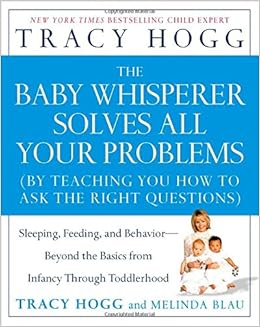
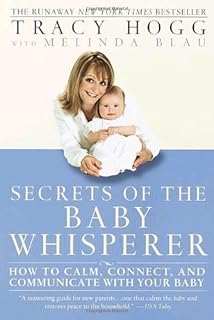
With my third (now 17), I decided to try the Four S’s described by Tracy Hogg. She was also a natural sleeper. With my experience and the Four S’s, she never cried before a nap until she was about 3 months old, and then it was brief.
My fourth (now 14) is a similar story to my third, except she never went through a CIO phase at all. She was one of those babies who would occasionally cry for about 30 seconds after I put her down — but that was just frustration that playtime was over. As she got older, I could tell her not to cry, and she wouldn’t.
Sleep training works. I’m a believer! All four of my children sleep well, and have from young ages. Now that you have my history, let’s move on to the tips.
Tip 1: Choose a Method
I talk a lot about why vs. how — essentially, the method you use to accomplish a goal isn’t what matters most. Accomplishing the goal is what matters, with the obvious caveats that your method is legal, ethical, in line with your values, and works for your family as a whole.
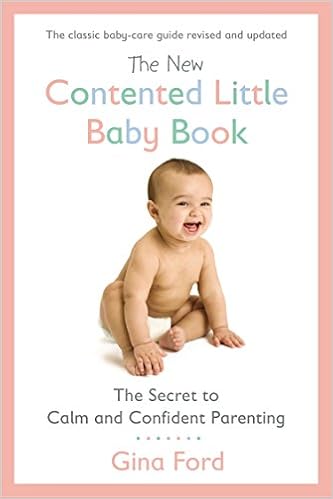
So no, you don’t have to do cry it out to sleep train. You certainly can — see 6 Rules for Using Cry It Out as a Baby Sleep Training Method if you’re ready to go that route — but you don’t have to. There are gentler paths too; see Sleep Training According to Babywise. Your first step is simply to identify a sleep training method you can feel good about. Your goal is to have baby fall asleep on her own. A few approaches worth knowing about:
- Cry it out (CIO), in its many variations
- The Four S’s by Tracy Hogg — a gentler, no-cry approach
- Pick Up/Put Down, also from Tracy Hogg’s The Baby Whisperer
- Healthy Sleep Habits, Happy Child by Weissbluth, which outlines several CIO methods
- Solve Your Child’s Sleep Problems by Ferber
- The No-Cry Sleep Solution by Pantley
>>>Read: Sleep Training Methods: 7 different ways to train baby
No matter which method you choose, be sure to read My Newborn Sleep Hierarchy first — it will help you know what to troubleshoot before you assume it’s simply a sleep training issue. As you’re deciding, it’s also worth reading It’s Time to Take the Guilt Out of Sleep Training — because whatever method you choose, you deserve to feel confident about it, not guilty.
Great Sleep Training Books






Tip 2: Choose an Age
Once you’ve decided on a method, decide what age you want to start sleep training. Along with an age you feel comfortable with, you want to be sure your baby is healthy and that you have some real stretches of time at home to master this new skill without constant disruption.
What age do I recommend? I really think parents have to go with what feels right for their family — but for what it’s worth, I started right from birth with my three youngest. I didn’t want to teach one approach and then essentially pull the rug out and teach another. That paid off because we didn’t have much crying at all. Following the gentle approach from birth meant we were sleep training without tears right away. No need for crying.
From what I’ve heard from other parents and read over the years, babies older than 6 months tend to be harder to sleep train, and it generally gets more difficult the older they get. Many people wait until 4-6 months old to start.
Tip 3: Get to Know Your Baby
You can read more in depth about this in my CIO Bootcamp post, but the short version is this: you want to understand some key things about your specific baby. Learn your baby’s nap cues. Learn your baby’s Optimal Waketime Length. No matter what method you use to sleep train, understanding these two things will help your baby fall asleep the most easily — they matter more than almost anything else in this list.
Tip 4: Be Consistent, But Adjust As Needed
Be consistent with your sleep training. Set aside real time to be home and give your child the chance to build a stable foundation. Once that foundation is there, your child will have flexibility — but your child needs somewhere solid to flex from in order to truly be flexible.
While you’re maintaining that consistency, don’t be afraid to adjust and tweak your approach as needed. If your child needs a different sleep routine, change it. If your child needs you to go in after 10 minutes of crying instead of 20, go for it. Adjust your methods as you see they need adjusting — odds are, you will need to. You’ll get to know your baby better over time and be able to build the sleep environment that works best for her, not for a book or a blog post.
Tip 5: Know That It Is Worth It
Hang in there. Sleep training is a big job — an emotional one. It takes real effort and brain power. There will be days you’ll wonder if it’s worth it. It is. I promise it is. There will come a day when you are so glad your baby sleeps well, and that gladness will keep paying off: sleep is important throughout your child’s entire life, not just infancy. I’ve written more about that in How Healthy Sleep Principles Have Benefited My Children from Infancy to Preteen.
You can also find real support along the way. The Chronicles of a Babywise Mom community is a safe, private space with thousands of members who understand exactly what you’re going through.
Hang in there, seek support, and you and your baby will come out the better for it.
Sleep Training FAQ
What is the best age to start sleep training? There’s no single “right” age — it depends on your baby’s health and your family’s readiness. Many parents start somewhere in the newborn stage through the early months, and many find sleep training becomes more difficult after 6 months and harder still as babies get older.
Do I have to use cry it out to sleep train? No. Cry it out is one option, but gentler methods like the Four S’s or Pick Up/Put Down can also teach a baby to fall asleep independently. The method matters less than choosing one you can stay consistent with.
What if my baby won’t stop crying during sleep training? First, rule out physical causes — hunger, gas, reflux, temperature, teething, or a “witching hour” stretch of general fussiness. If your baby is healthy and simply protesting the change, staying consistent (while adjusting your approach as needed) is usually what moves things forward.
How long does sleep training take? It varies enormously by baby and method — some babies adjust within days, others take a few months of steady consistency. Every one of my four kids had a different timeline.
Valerie Plowman, known as “the Babywise Mom,” is the happy mother of four children. She has been helping parents with their parenting concerns since 2007 and loves helping others absolutely love being a parent.
Related Posts
- What Are the Benefits of Sleep Training?
- Sleep Training Issues: Tips to Prevent Problems
- Sleep Training: All the tips you need!
These posts will help you sleep train your baby with confidence. Learn how to sleep train in the method that best suits you and your baby. Learn the life-changing Babywise sleep training method that will give you back your sleep. This powerful sleep strategy gets baby on a schedule. How to sleep train a baby without crying. This is a gentle baby sleep training method to get baby sleeping independently. No-cry sleep training method. Sleep train your baby with confidence! Consult this awesome list of sleep training resources to get wisdom on sleep training, read studies, and find how-to's. Cry it out is a fast, effective form of sleep training baby. This post outlines six rules to follow for using cry it out as your sleep training method. The ultimate guide to how to do cry it out sleep training. Follow this for a step-by-step guide on using cry it out to get baby sleeping well. How to Sleep Train Your Baby Responsibly. Tips for doing cry it out in a way that best helps your baby. Sleep training tips. All of your questions about cry it out answered. How long will it take, what age can you start, and will baby be traumatized after it is all done. Find the best books to read to learn how to get baby to sleep. Different sleep training methods to get baby to sleep through the night and take great naps. Cry It Out Sleep Training Tips from real moms who have actually used the method. Tips to help you succeed at sleep training. How sleep training can help your baby sleep and prevent sleep problems from building up. Sleep training helps baby sleep now and later. Tips for using the extinction sleep training method to get baby to sleep well. Get great naps and great night sleep for baby. It is not convenient to put the work into great sleep habits for your baby. Here are five vital reasons you should put the effort required into this.Sleep Training Tips and Info

Sleep Training According to Babywise (Baby Wise)
Gentle Sleep Training: The Four S's

The Big List of Sleep Training Resources

6 Rules for Using Cry it Out as a Baby Sleep Training Method

The Ultimate Cry It Out Bootcamp

How to Sleep Train Your Baby Responsibly

Everything You Need to Know About Cry It Out

The Best Baby Sleep Training Books to Get Baby Sleeping
Cry It Out Sleep Training Tips
What Are the Benefits of Sleep Training?

How to Use the Extinction Method for Sleep Training

5 Reasons to Establish Good Sleep Habits
This post first appeared on this blog in August 2016


I hate potty training too! Sleep training with my second was much easier than with my first. My second was a better sleeper from the beginning (she hated being held and did so much better when put down on her own) and I did better about not feeling guilty doing what would be best in the long run.Her not sleeping when being held did make it difficult to go out. We had to skip church for a few months because she would not sleep in the nursery and then would refuse to eat, bottle or nurse. After a few months she was able to skip the morning nap with no major problems and we could again attend church as a family. All this to say, adjustments sometimes have to be made for the benefit of everybody.
Yes Krysten! There are usually sacrifices that need to be made by everyone.
Hi! I have used Babywise for all of my five children and have especially appreciated your blog for encouragement, reminders, and help. This is the first time I've commented but I'm stuck and was hoping for help. My youngest is a sleep hater. He's 12 weeks old. He won't sleep in a swing, won't sleep in the car. Just fights sleep hard. He's been in the wake- eat- play- sleep pattern for most of his life. He now goes down for naps pretty well- he still cries but usually five minutes or less. No big deal. But most naps he wakes up crying at some point before it is time for him to eat again. I just don't know how to handle this in a way that trains him to sleep through. I learned while training him to fall asleep in his bed that me coming in prolongs the process. He can't even see me, much less be patted without it making him cry worse and for longer. So when he wakes during a nap, I don't go in. I can see him to know he's okay. Sometimes he will cry constantly for 45 minutes or as long as it is until his feeding time. Often times he will cry for 5-10 minutes, fall asleep for 5 minutes, start crying again, and it will continue like that until time for him to feed. He is a chunky one and he isn't crying from hunger. It's not noise or disturbances that are waking him. He eats at 6a, 9a, 12p, 3p, 6p, 9p (dreamfeed), and wakes at 2:30a to eat but goes right back to sleep. He stays awake for just under an hour after his day feedings. Because of his waking and crying during naps, he is probably crying when he should be sleeping 3-4 hours out of the day. This seems unhealthy and makes him extra tired, but I just don't know how to head it off. Any ideas? Thank you!
Hi Chelsea, that is tough! Brayden hated sleeping, also. One question I have is why you say he isn't hungry–I just want to be sure that hunger is ruled out. Have you tried feeding and he just won't eat? Brayden took 45 minute naps until 6 months old and he ate a whole lot every time he woke early. He seems to have a fast metabolism and eats a lot even for a typical boy his age. If it for sure isn't hunger, do you think he could be waking in pain? Does he have gas pains? Some reflux? Teething? Ear infection? If it is gas, gripe water and gas drops are life changers! I think with him waking, falling back asleep, then waking 5 minutes later is has me thinking something is not comfortable for him. Could he be too hot? Too cold?
Hi Valerie! Love your blog and have read all your posts on sleep training several times.I'm at a stand still though. I have a 7 week old who I have done BW with from day one. He usually goes down beautifully at nap times in his crib. We had some issues with early wake times but I think it's either due to gas or wake time so I am feeling those out. The main issue that I would love your feedback on is bedtime. He can never go to sleep on his own at bedtime. I don't understand how he can self soothe so well in the day and then refuse to go to sleep at bedtime. No matter how long he CIO I always have to get him and either rock or eventually feed him to sleep. I thought it was due to a witching hour but the last few weeks when I try he is happy when going down and then progressively gets more upset (unlike when during the witching hour he was immediately upset and nothing helped). Curious your thoughts if maybe this is just a witching hour type thing where he just can't get settled at night time. What do you suggest I do? Keep letting him fall asleep after nursing? As I said, CIO never ends in him going to sleep on his own. I feel like he could go hours or get so hot and bothered that it truly would get unhealthy. In all your tips you never have mentioned any tips or difference in sleep training during the day and at night and how to help that if different. Appreciate any thoughts.
Hi Kristen, I definitely think it sounds like witching hour! My babies with witching hour were usually perfectly content when I was holding them during witching hour. So that sounds normal to me. I let Brinley fall asleep nursing through witching hour and it never hurt her long-term sleep abilities.
Hi Valerie! Been reading your blog a lot lately! FTM here. Background on me: married & working full time ten happy years before having baby son exactly 2 months ago. Talk about HUGE adjustment. Had nasty bout with PPD but am much better now. Grandmas & husband very supportive & helpful. Grandma actually took all night feedings for 3 weeks-wow! But now, it's just me all day until hubby gets home. I'm a very routine person so I'm desperate to get on a schedule. We started sleep training using CIO when baby was 5+ weeks & tracking feeds/sleeps. I read the baby wise book, SCOURED the Internet/blogs & talked to some friends who had success with it this early as well. Its been 3 weeks now & I haven't seen much progress. If anything, he cries LONGER now. In fact, the last few days he has NOT napped well-going down for 20-40 minutes then waking. Then I try to just go in & just tell him "it's not time to get up yet" then leave without picking him up. Oh he cries so hard! After that he'll go through several minutes of quiet followed by more periods of crying & this will go on for an hour or more! He does sleep ok at night-Once he goes down, he sleeps 3 solid hours (hopefully that will start increasing) between feedings & goes right back down, then waking for longer when it gets light. So I'm thankful for that. He pretty much exclusively sleeps in his crib. Sometimes in the rock n play, & then in the snuggle puppy swing at Grammys. I've been trying to focus on the sleep training before I tackle the more rigid scheduling-I mean, if he won't sleep longer than 40 minutes or less, how can I get on schedule? Grandma does keep him 1-2 days a week so I can get a break (and because she LOVES keeping him!) But she does not let him CIO like we do at home. I'm wondering if this isn't a big part of the problem. Or if he's too young & I should try again in a month or 2? And why he's all of a sudden started this cry a while/sleep a few minutes/cry a while/sleep a little cycle when before he never cried longer than 15ish minutes then slept 1+ hours? We have a white noise machine & lullabies playing in his room. I'm not sure if we are getting ready to turn a corner & make progress or if grandmas inconsistency is confusing him. We also don't have much of a before bed routine but I want to start a bottle, bath book/story/song routine-maybe that'll help. Any thoughts? I'm tempted to give up but don't want all this agony to have been for nothing! Plus not only do WE need sleep but mostly, we believe great sleep habits are very important for his growth & development and we want what's best for our son!
Hi Batya,I am glad you found the blog!I am a big believer in consistency during sleep training. If it were me, I would take two weeks of staying home and not having baby to to grandma's house. The inconsistency could definitely be it. How is your waketime length? Have you looked at my posts on that? Having wake town length down perfect is very helpful for having minimal crying and good naps. Also, have you tried the 4 S's before nap? That can be so helpful!
Here is the four S's:https://www.babywisemom.com/2009/04/sleep-training-four-ss.html?m=1
That's what I was thinking. Conveniently, Gma will be on vacation for at least a week next week so I'll have a bit of a chance to get consistent w/out offending Gma by keeping him home. If we see any progress, it might help her to see its ok for her to jump on board. If not, he can stay home until he's trained! Yep-It was your post on wake times that made me realize I was keeping him up waaaaay too long. So we started to watch the clock & watch for his cues at 40ish minutes. Should I instigate "the routine" at the first sign? Like the very first yawn? Another question I had is if he does take a decent nap, sometimes when I'll feed him upon waking, he'll be yawning right after waking up! Do babies yawn to " shake the sleep off" so to speak? Like maybe he is ready to be up a while-he's just yawning to wake up? or maybe he really should be put right back down? Thank you so much!
Hey Valerie, like the others I love your blog and look at it constantly. I am a mom of 2 girls, one 19 months and the other 12 weeks. We did CIO with our first and it worked beautifully. We started at 9 weeks and she never cried more than 20 mins. This time around I started at 11 weeks due to traveling and other conflicts. She does great at nap times, goes down drowsy but awake and never fusses and sleeps the whole time. If she wakes, she puts herself back to sleep. The problem I have is at night time when she's supposed to go down. I try to keep her up a little longer before her bedtime at 8:30 and sometimes it works and sometimes it doesn't. I will nurse her to sleep, like I did with our first, and she will go down, but sometimes she wakes after 20 mins, sometimes after an hour, and sometimes not at all. We just moved her into a pack n play in our room and the last four nights have gone like this: night 1- cried off and on for an hour then went to sleep; night 2- cried off and on for 30 mins then went to sleep; night 3- didn't cry at all; night 4- cried off and on for an hour. The routine is the same. The only inconsistency is that she has started to only sleep an hour for her last nap when goes down between 4:30-5. So depending on when she wakes up from that nap, she can only stay awake for so long without getting super fussy. I've also let her cry when she wakes up from that nap, but I feel like it's a witching hour thing even though she just started it in the last couple weeks. Do you have any suggestions for her night time sleep or should we just keep doing CIO for awhile longer to see if it will correct itself? Our schedule is 6:30, 9:30, 12:30, 3:30, 6:30, last feeding at 8:30ish. If she wakes early from her last afternoon nap and she can't make it to 8:30, I will usually do a dreamfeed to keep my supply up and so I don't get engorged. Thanks so much! – JL
Just had my fourth baby and it looks like I have another baby that doesn't love sleep! A mystery! Anyway, I have friends who've followed BW so I'm looking into it. Question: if you're fairly rigid (not sure that's the right word) on putting them down and letting them fall asleep on their own in their crib, are you pretty tied to your home all that time? (Not napping in the car, etc?) Or does teaching them to sleep on their own so early enable them to fall asleep anywhere easily (when they're tired)? Or would you say it depends? I'm a firm believer in napping in a crib but my baby is 3 weeks and it's sooo soon to be tied to my house! 🙂 Just curious.
Hopefully, I’ll get a response here, not sure if I will…
What are your recommendations on when to move baby from a bedside bassinet to their crib in their own room?
Hi Rachel, I have a whole post on that! https://www.babywisemom.com/when-to-move-baby-to-own-room/